
AI in Education: Practical Strategies for Schools to Use Artificial Intelligence in the Classroom

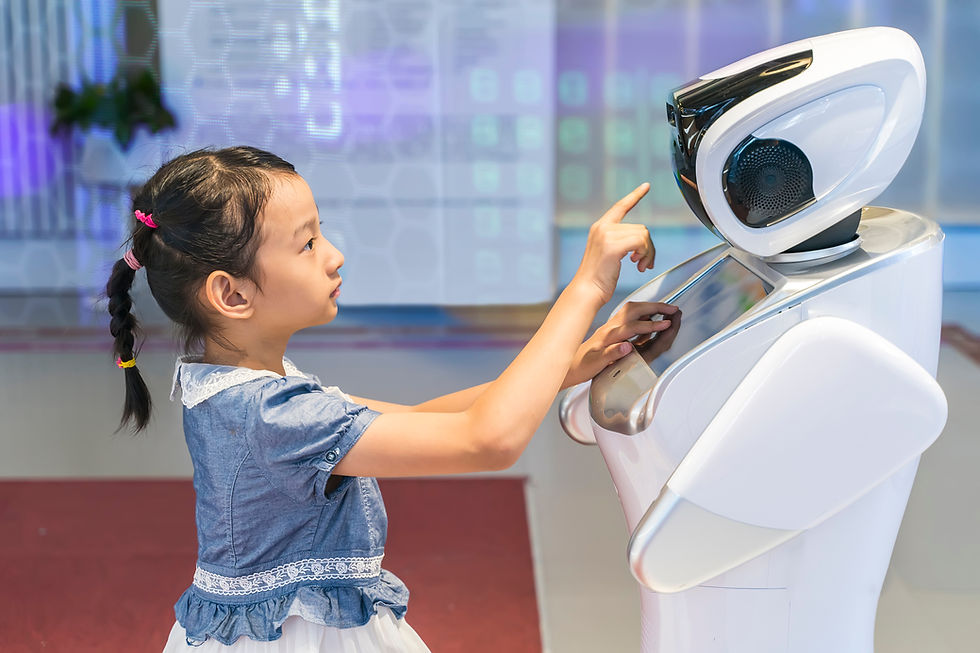
In 2026, AI is already reshaping the daily mechanics of schooling, but the biggest wins are not flashy. They are practical: less admin, faster feedback loops, more responsive differentiation, and clearer insight into where students are getting stuck. The risk is also practical: rushed adoption, weak policy, poor data practices, and a subtle slide into outsourcing professional judgement. Schools that do this well treat AI as an assistant to teaching, not a replacement for it.
If you want a strong grounding in what AI can and cannot do in education, AI and the Future of Education is a solid starting point for leaders and teachers because it frames AI through learning science, ethics, and implementation reality rather than hype.
AI as a teaching assistant, not a shortcut
The most valuable role for AI in 2026 is as a productivity layer around professional practice. Teachers are using AI to draft lesson outlines, generate hinge questions, differentiate reading passages by complexity, design simple rubrics, and create first-draft feedback comments that the teacher then edits. Schools are also using AI to help summarise policy documents, condense research into staff-friendly takeaways, and support communication workflows that chew up leadership time. Done well, this frees teachers to spend more time on explanation, relationships, classroom culture, and responsive instruction.
For a practical, classroom-facing approach to AI integration that still takes academic integrity seriously, Teaching with AI is one of the most useful books in this space.
Personalised learning, without losing the classroom
AI’s promise in education has long been “personalised learning,” but in 2026 the best implementations are not about replacing teaching with adaptive software. They are about supporting better instructional decisions. AI-assisted platforms can surface patterns: which concepts a class is consistently missing, which students are racing ahead, where misconceptions cluster, and how performance changes after reteaching. Used responsibly, this helps teachers plan targeted interventions, group students flexibly, and provide practice that matches need rather than guesswork.
If you want a deeper look at how AI could reshape teaching and learning systems (and what to be cautious about), The Promises and Perils of AI in Education: Ethics and Equity Have Entered The Chat is a helpful overview for decision-makers.
Feedback, assessment, and the “time problem”
Feedback is where AI can genuinely shift the workload equation, especially for writing-heavy subjects. AI can help teachers generate feedback prompts, identify missing elements in a response (claim, evidence, reasoning), and offer suggestions that teachers can adapt into personalised comments. The key is that the teacher remains the evaluator. AI should support consistency and speed, not become an unreviewed grading machine. Schools also need clear boundaries for student use: when AI support is permitted (brainstorming, outlining, grammar support), and when it undermines learning (submitting AI-written work as original).
A practical complement here is Artificial Intelligence Basics: A Non-Technical Introduction, which is useful for staff who want clarity without heavy technical jargon, and it can double as a reference for older students learning AI literacy.
AI literacy is now part of student readiness
If AI is embedded in university study and the future job market, students need explicit instruction on how to use it wisely. AI literacy in 2026 looks like this: students learn what AI is (and isn’t), how hallucinations happen, why bias appears, what “good prompting” actually means, and how to verify sources and claims. More importantly, students learn judgment: when AI use improves learning and when it replaces the effort that builds skill. Schools that teach AI literacy directly reduce plagiarism problems because they replace secrecy with structured, supervised practice.
The governance gap: privacy, bias, and policy
Most AI problems in schools are not “AI problems,” they are governance problems. Schools need clear rules on student data, tool approval, access controls, age-appropriate use, and staff training. If an AI tool touches student information, leadership needs to know where that data goes, how long it is retained, and whether it is used for training models. Schools also need transparency: students and parents should understand what tools are used and why. Without this, adoption becomes fragmented, uneven, and difficult to defend when issues arise.
As AI handles more routine drafting and organisation, the teacher’s role shifts upward: sense-making, judgment, emotional regulation, motivation, classroom culture, and the human skill of knowing what this student needs today. AI can generate options, but it cannot know the relational context of a learner, the social dynamics of a class, or the subtle difference between confusion and avoidance. The schools that benefit most from AI in 2026 are the ones that protect the human core of education while using technology to remove busywork.
If AI reduces admin time and speeds up feedback, what would your school do with that reclaimed time to improve learning and wellbeing? Let us know in the comments below.


Ik merk op dat het analytisch register uniform wordt gehandhaafd in alle secties. Het bewijs is passend. De website biedt uitgebreide thematische dekking van het onderwerp. Betrokkenheidsindicatoren worden gecontextualiseerd door op platforms gebaseerde entertainmentsystemen.